
Sorting potatoes by size after harvest is an important step in improving product quality and market value. Compared with manual sorting, potato roller grading machines offer higher efficiency, lower product damage, and continuous operation, making them a popular choice for farms, cooperatives, and potato processing plants.
This guide explains how potato roller graders work, what specifications to consider, and how to choose the right potato grading machine for your production needs.
What Is a Potato Roller Grading Machine?
A potato roller grading machine is designed to sort potatoes according to their size. It uses a series of rotating rollers with gradually increasing gaps between them.
As potatoes move forward along the rollers, smaller potatoes fall through the narrower gaps first, while larger potatoes continue to travel until they reach the appropriate grading section. This process allows continuous and accurate size classification.
Potato roller graders are widely used in fresh potato packing facilities, French fries production lines, potato chip factories, and other potato processing operations.
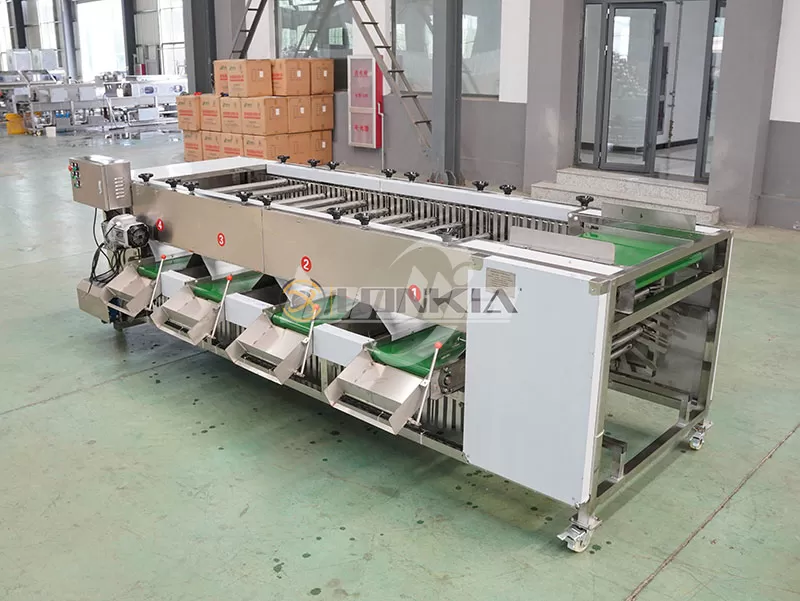
Key Factors to Consider When Choosing a Potato Roller Grading Machine
1. Processing Capacity
Production capacity should be one of the first factors to evaluate.
Typical capacities include:
| Machine Type | Capacity |
|---|---|
| Small Models | 1–3 tons/hour |
| Medium Models | 3–8 tons/hour |
| Large Models | 8–20 tons/hour |
| Customized Lines | 20+ tons/hour |
It is generally recommended to select a machine with 20–30% more capacity than your current production requirements to allow for future expansion.
2. Number of Grading Levels
The required grading accuracy will determine how many grading levels are needed.
Common configurations include:
- 3 grades
- 4 grades
- 5 grades
- 6 grades
For example:
| Grade | Potato Diameter |
|---|---|
| Grade 1 | Less than 40 mm |
| Grade 2 | 40–60 mm |
| Grade 3 | 60–80 mm |
| Grade 4 | Above 80 mm |
For French fries production, a 4-grade or 5-grade system is often preferred to ensure more consistent raw material sizes.
3. Roller Material
The rollers are in direct contact with the potatoes, making material selection important.
High-quality machines typically feature:
- Food-grade SUS304 stainless steel
- Corrosion-resistant construction
- Polished surfaces for easy cleaning
Machines made from ordinary carbon steel may be prone to:
- Rust
- Product contamination
- Reduced service life
For food processing facilities, especially export-oriented operations, stainless steel construction is generally the preferred option.
Further Reading: LONKIA potato processing equipment
4. Potato Damage Rate
Poorly designed grading machines can cause unnecessary product damage.
Potential causes include:
- Excessive drop heights
- Improper roller speed
- Unstable conveying systems
These issues may result in:
- Skin damage
- Bruising
- Reduced storage quality
A well-designed machine should provide smooth conveying and gentle discharge to minimize damage during grading.
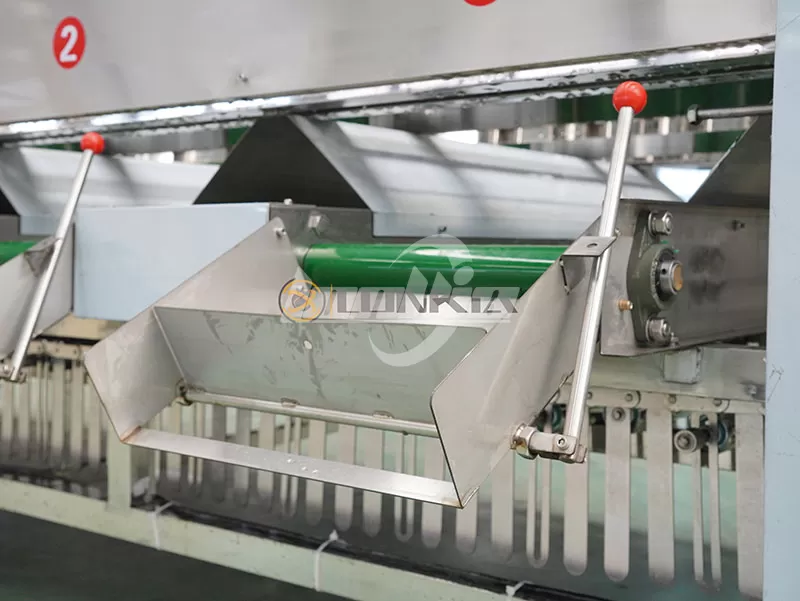
5. Adjustable Grading Sizes
Potato varieties differ significantly from region to region.
Common varieties include:
- Russet
- Atlantic
- Innovator
- Shepody
Since potato sizes vary among varieties, choosing a machine with adjustable grading settings can provide greater flexibility and long-term value.
What Affects the Price of a Potato Roller Grading Machine?
Price is often one of the most important considerations when purchasing equipment.
Several factors influence the final cost:
Number of Grading Levels
More grading sections require a more complex design and additional manufacturing work, which increases the overall price.
Machine Length
Longer machines generally provide more accurate grading results but also require more materials and production time.
Material Configuration
Machines built with SUS304 stainless steel typically cost more than standard steel models but offer better durability and hygiene.
Automation Features
Additional options such as:
- Automatic feeding
- Automatic weighing
- Production data monitoring
can increase the machine price while improving operational efficiency.
As a result, two potato grading machines may differ significantly in price even if they appear similar at first glance.
How to Choose a Reliable Equipment Supplier
Selecting the right supplier is just as important as choosing the machine itself.
Industry Experience
Look for manufacturers with extensive experience in:
- Potato processing equipment
- French fries production lines
- Potato chips processing lines
Experienced suppliers are more likely to provide proven solutions and reliable equipment.
Customization Capability
Potato sizes and production requirements vary across different markets.
A qualified supplier should be able to offer:
- Customized grading sizes
- Different machine lengths
- Complete line integration solutions
After-Sales Support
Reliable technical support can help ensure smooth operation after installation.
Important services include:
- Installation guidance
- Operator training
- Spare parts supply
- Technical assistance
Good after-sales service can significantly reduce downtime and maintenance costs.
Conclusion
When purchasing a potato roller grading machine, it is important to evaluate factors such as processing capacity, grading levels, roller material, product damage rate, and compatibility with your existing production line.
Choosing a reliable manufacturer with proven industry experience often delivers greater long-term value than simply selecting the lowest-priced option.
A properly configured potato grading system can improve product consistency, increase production efficiency, and create a more stable foundation for downstream processes such as washing, peeling, cutting, and packaging.
About LONKIA
LONKIA is a professional manufacturer of potato processing equipment, providing efficient and reliable solutions for customers worldwide. Our potato roller grading machines are built with food-grade stainless steel and are designed for accurate grading, stable operation, and long service life.
With extensive industry experience and comprehensive after-sales support, LONKIA offers customized equipment and complete processing line solutions tailored to different production capacities and project requirements. We help customers improve efficiency, reduce operating costs, and achieve consistent production performance.