
In the potato processing industry, grading is an important step that directly affects production efficiency and product quality. Whether potatoes are used for French fries production, potato chips processing, fresh-cut potato processing, or potato washing and packaging, the consistency of raw material size has a direct impact on peeling performance, cutting specifications, and the quality of the final products.
A suitable potato grading machine can effectively solve these challenges and improve the overall efficiency of the processing line. So, what key factors should food processing factories focus on when purchasing a potato grading machine?
This article will explain the important factors that food processing companies should consider when selecting a potato grading machine from a practical purchasing perspective.
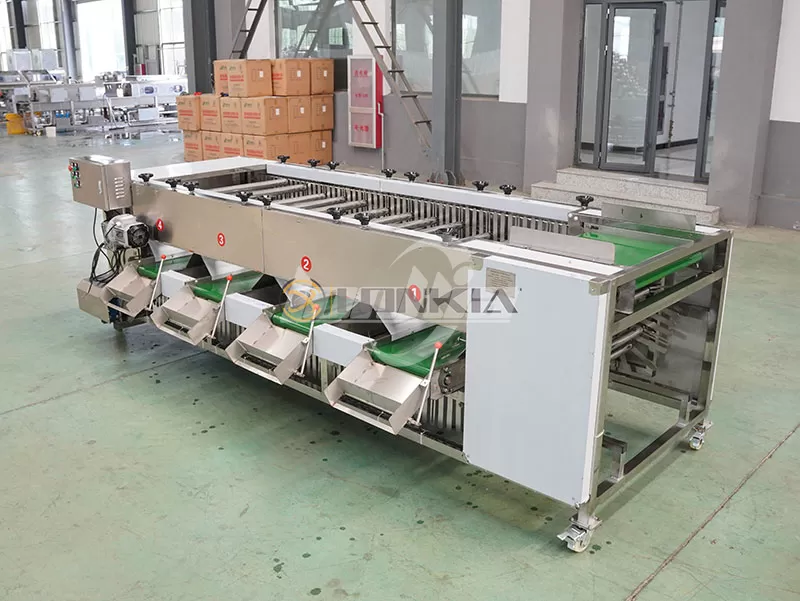
1. Define the Purpose of Potato Grading First
Before selecting a grading machine, it is important to understand why grading is needed.
Different processing applications have different requirements for potato sizes.
For French Fries Production
Potatoes need to be relatively uniform in size to ensure:
- Consistent strip length
- Lower cutting waste
- More even frying color
For Potato Chips Production
Potatoes with suitable dimensions are preferred because they help improve slicing efficiency and maximize raw material utilization.
For Fresh Potato Packaging
The main focus is usually appearance and commercial grading, where potatoes are separated according to size categories.
Understanding the purpose of grading helps determine the right machine configuration.
2. Choose the Right Grading Method According to Potato Size
Industrial potato grading machines mainly use several grading methods.
Roller Type Potato Grading Machine
Roller grading machines are widely used in vegetable processing applications.
The machine works by adjusting the gap between rollers. As potatoes move forward, smaller potatoes fall through earlier gaps while larger potatoes continue moving until they reach the corresponding outlet.
Main advantages:
- Flexible grading range
- Gentle handling with less product damage
- Adjustable grading sizes
- Suitable for continuous production
For factories requiring multiple size categories, roller grading systems are a common choice.
Drum Type Potato Grading Machine
Drum grading machines use screens with different hole sizes to separate potatoes.
Features:
- Simple structure
- Stable operation
- Suitable for fixed grading standards
This type is often used when the required grading specifications are relatively consistent.
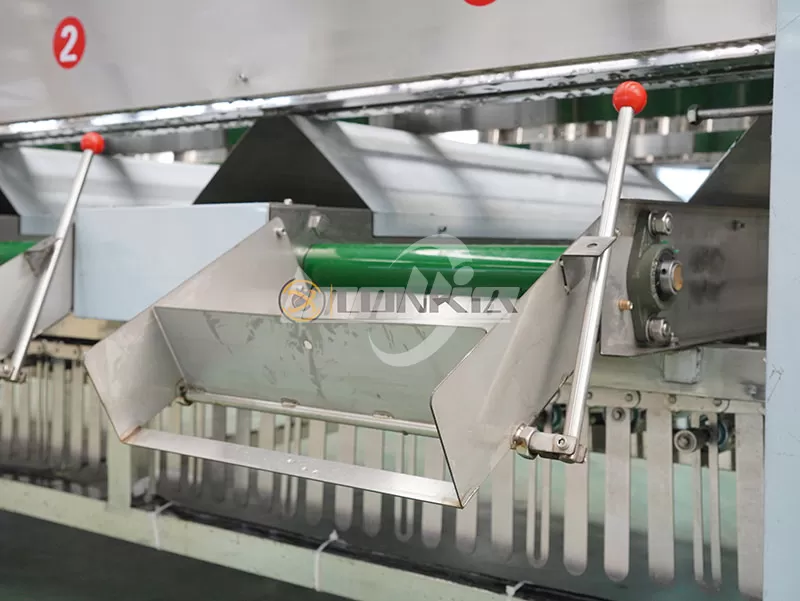
3. Determine How Many Grading Levels You Need
A potato grading machine does not need as many levels as possible. The right number depends on your actual production requirements.
Common grading options include:
- Single grading
- Two-level grading
- Three-level grading
- Four-level grading
- Multi-level continuous grading
For example:
- Small potatoes → other processing applications
- Medium potatoes → potato chips production
- Large potatoes → French fries production
Proper grading allows different raw materials to be used more efficiently and improves overall production performance.
4. Pay Attention to Grading Accuracy and Stability
For food processing factories, grading accuracy is a key factor.
Large size differences between potatoes can affect:
- Peeling performance
- Cutting consistency
- Final product quality
When selecting equipment, consider:
Roller Gap Adjustment
The machine should allow adjustment according to different potato sizes.
Conveyor Speed Control
Stable conveying speed helps prevent product accumulation and improves grading accuracy.
Long-Term Operating Stability
The equipment should maintain consistent grading performance during continuous production.
A stable grading process helps reduce problems in later processing stages.
5. Match the Machine Capacity with Your Production Line
Every factory has different production requirements, so processing capacity is an important consideration.
Before purchasing, evaluate:
- How many kilograms of potatoes need to be processed per hour
- Whether the machine connects with washing equipment
- Whether it matches peeling and cutting equipment
If the grading machine capacity is lower than upstream equipment, material accumulation may occur. If the capacity is much higher than required, investment efficiency may be reduced.
Proper matching of the entire production line ensures better performance.
6. Consider Material Quality and Maintenance Requirements
Potato processing equipment works in a food production environment, so hygienic design is essential.
When purchasing, pay attention to:
- Food-grade stainless steel construction
- Easy-to-clean structure
- Reduced dead corners
- Convenient replacement of wearing parts
A well-designed machine can reduce maintenance time and improve production reliability.
7. Check Whether the Machine Supports Customization
Potato varieties and sizes vary between regions, which means grading requirements are not always the same.
For this reason, many processors choose customized grading solutions.
Common customization options include:
- Number of grading levels
- Size range of each grade
- Machine length
- Conveyor width
- Outlet configuration
- Connection with other processing equipment
A customized solution helps ensure that the equipment fits the actual production process.
How to Choose the Right Potato Grading Machine?
Food processing factories can follow these steps when selecting equipment:
1. Identify the final product
(French fries, potato chips, fresh-cut potatoes, or packaged potatoes)
2. Define potato size requirements
(How many grades are needed)
3. Confirm production capacity
(Required processing volume per hour)
4. Select the suitable grading structure
(Roller type, drum type, etc.)
5. Confirm customization requirements
By evaluating these factors, factories can choose a grading machine that better matches their production goals.
Conclusion
Choosing a potato grading machine should not be based only on equipment price. The best solution depends on product type, grading requirements, processing capacity, and the configuration of the complete production line.
A suitable grading system can help food processors improve raw material utilization, reduce manual sorting, and achieve more stable downstream processing.
LONKIA specializes in potato processing equipment and vegetable processing solutions. We provide customized potato grading machines according to different production requirements and can integrate them with washing, peeling, cutting, and other processing equipment to help food factories build efficient automated production systems.