
Selecting the right Multi Head Packing Machine is a critical decision for any packaging line. Choosing the ideal machine can significantly cut down on product giveaway, save labor costs, and boost overall efficiency. On the other hand, picking the wrong model can create a bottleneck that slows your entire operation.
Here’s a practical guide to help you evaluate the best Multi Head Packing Machine for your factory’s unique requirements.
1. Identify Your Target Speed and Accuracy
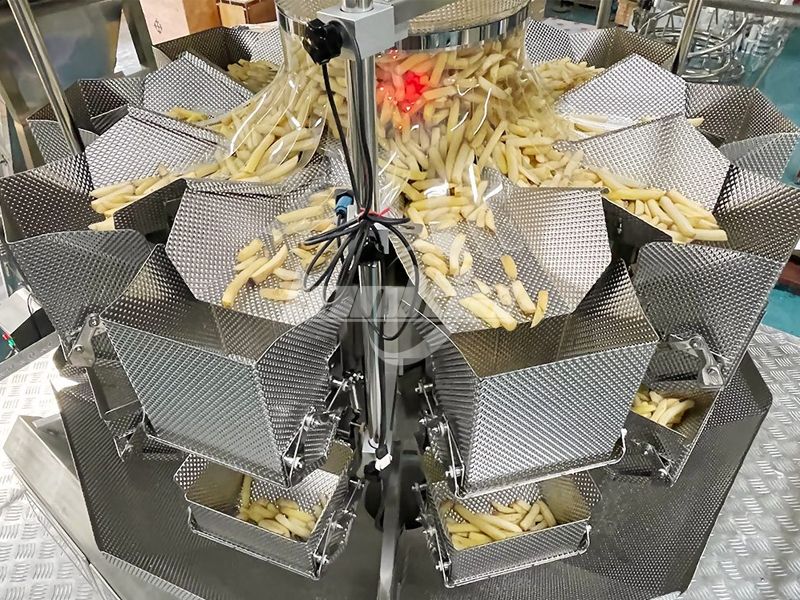
The core of a Multi Head Packing Machine lies in its “heads” or buckets. Generally, more heads translate into faster operation and higher weighing accuracy since the computer has more combinations to reach the target weight.
| Number of Heads | Best For | Typical Speed (bags/min) |
|---|---|---|
| 10 Heads | Entry-level lines, large bag targets | 30–60 |
| 14 Heads | Standard for snacks, frozen foods | 70–120 |
| 20–24 Heads | High-speed production or mixed products | 150–200+ |
Pro Tip: Choose a machine rated at least 15–20% faster than your current bagging line. This ensures the Multi Head Packing Machine won’t limit your line’s throughput.
2. Match the Machine to Your Product Type
Not all stainless steel surfaces are the same. The characteristics of your product will dictate the right surface finish:
- Sticky or moist products (e.g., fresh meat, dried fruit): Opt for dimpled or embossed surfaces to prevent suction and maintain smooth flow.
- Delicate or fragile items (e.g., biscuits, candy, fragile snacks): Look for low-angle chutes and padded liners to minimize breakage during drops.
- Granular or dry products (e.g., rice, sugar, seeds): Smooth, polished stainless steel works best for steady, uninterrupted flow.
3. Choose the Right Bucket Size for Target Weight
Bucket (hopper) volume is key to balancing speed and accuracy:
- Small (0.5–1.6L): Suitable for lightweight items like tea leaves, seeds, or small hardware.
- Standard (2.5–5L): Ideal for snacks, frozen vegetables, and chips.
- Large (7L+): Needed for bulkier products such as mixed salads or large pet food bags.
Tip: Too small a bucket may require multiple dumps per bag, slowing production. Too large a bucket can reduce accuracy for lighter weights.
4. Consider Footprint and Integration
Before purchasing, check your line’s space and integration requirements:
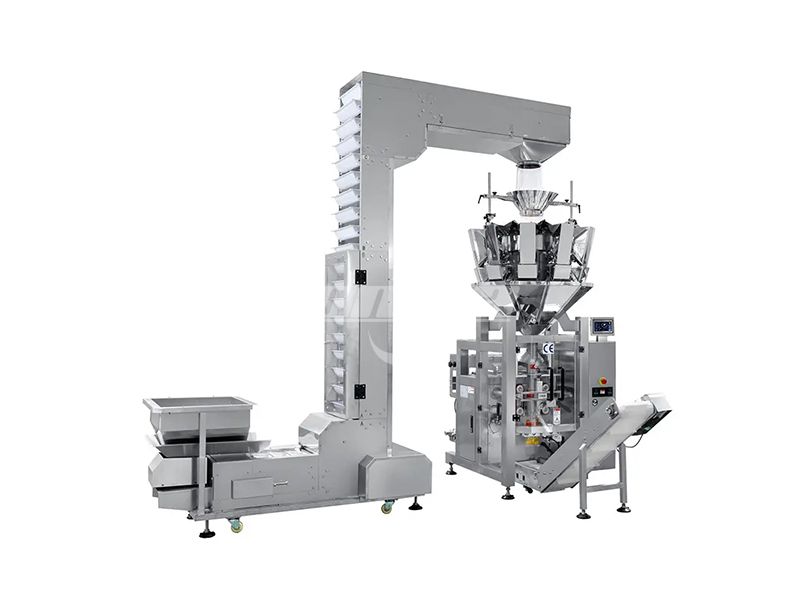
- Height: Multi Head Packing Machines are often installed on platforms above bagging machines. Make sure there’s enough clearance for the machine, platform, and product conveyors.
- Connectivity: Ensure the machine can communicate with your Vertical Form Fill Seal (VFFS) machine, jar filler, or other equipment. Compatibility with Modbus or EtherNet/IP is a plus.
5. Maintenance and Hygiene Standards
In food production, washdown capability is essential:
- IP65 Rating: Can withstand low-pressure sprays and is dust-tight.
- IP67 Rating: Suitable for high-pressure washdowns, ideal for meat, dairy, or sticky product environments.
- Tool-less removal: Buckets and components that are easy to remove without wrenches save time and simplify cleaning.
Getting Started
To narrow down your options, you first need to know:
- What product you are packaging
- Your desired bag size and format
- Daily production targets
Once these are clear, you can compare top brands like Ishida, Yamato, or high-end Chinese manufacturers, evaluating speed, accuracy, and cost.
LONKIA Brand Highlight
For factories looking for a reliable solution, LONKIA offers a full range of high-precision Multi Head Packing Machines tailored for various product types and production capacities. LONKIA machines combine:
- Advanced weighing algorithms
- Flexible bucket configurations
- Food-grade stainless steel construction
- Easy integration with bagging and packaging lines
- Superior hygiene and easy maintenance
With LONKIA, your factory can achieve faster throughput, higher accuracy, and stable, automated packaging operations — ensuring every bag meets your quality standards.