
In large-scale potato processing, French fries production lines, potato chip manufacturing, and fresh-cut vegetable processing, the potato steam peeler has become the preferred peeling solution thanks to its high efficiency, low product loss, and environmentally friendly operation.
One of the most common questions from buyers and process engineers is:
What peeling efficiency can a potato steam peeler actually achieve?
This article explains the typical peeling performance of industrial potato steam peeling machines and the key factors that determine peeling quality.
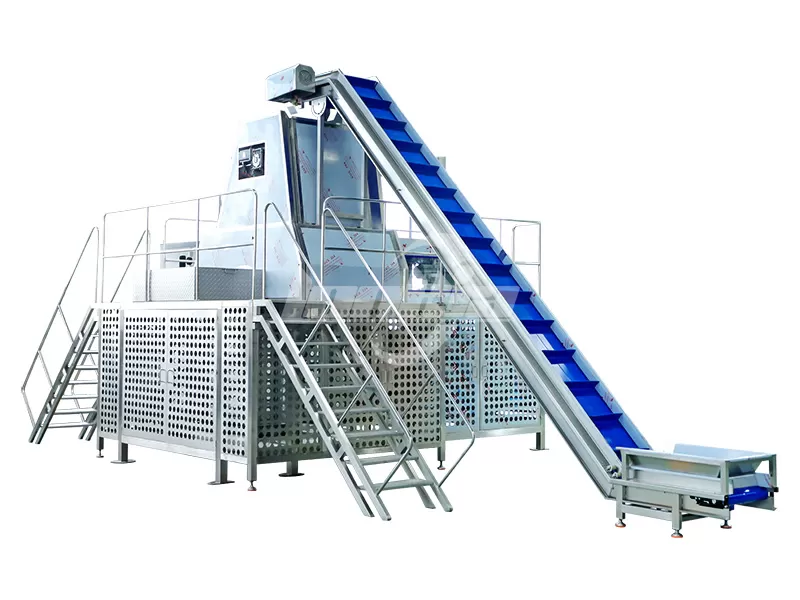
What Peeling Efficiency Can a Potato Steam Peeler Achieve?
Under normal operating conditions, a modern industrial potato steam peeler can achieve a peeling efficiency of 95% to over 98%.
Understanding the Difference: Peeling Efficiency vs. Peeling Loss
These two terms are often confused, but they represent different performance indicators.
Peeling Efficiency
The percentage of potato skin successfully removed from the surface. A high-quality steam peeler typically achieves over 95% peeling efficiency.
Peeling Loss (Flesh Loss)
The percentage of edible potato flesh removed together with the skin during peeling. Advanced steam peeling technology keeps flesh loss between 4% and 8%, significantly lower than conventional abrasive peeling methods, which often result in 15% to 20% product loss.
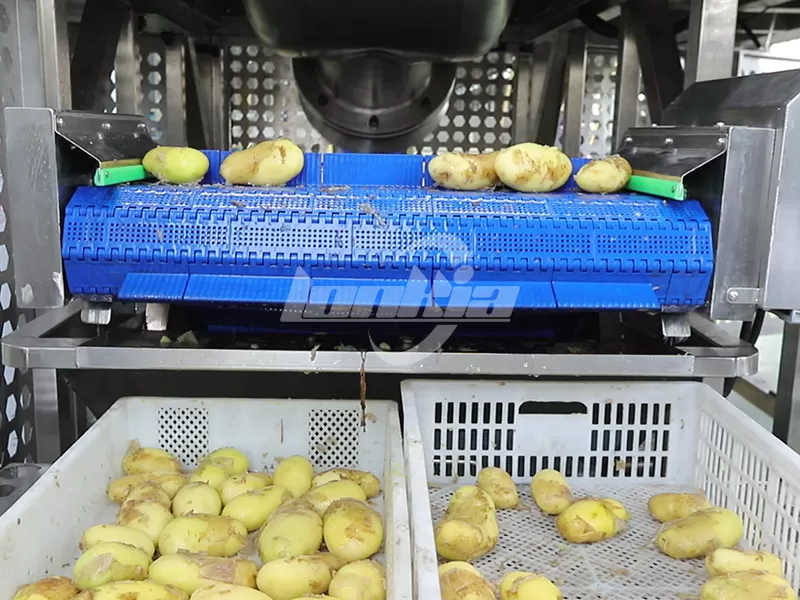
Four Key Factors That Affect Potato Steam Peeling Performance
Although industrial steam peelers are capable of very high peeling efficiency, actual results depend on several processing variables.
1. Steam Pressure and Peeling Time
Steam peeling works by exposing potatoes to high-pressure saturated steam for a very short period—typically 15 to 60 seconds. The steam rapidly heats the potato skin, causing moisture beneath the surface to flash into steam and separate the skin from the flesh.
Generally, higher steam pressure (1.0–1.6 MPa) combined with shorter exposure time delivers better peeling results while minimizing heat penetration into the potato, reducing flesh loss.
2. Potato Variety and Raw Material Quality
Raw material quality has a significant impact on peeling performance.
- Potatoes with uniform size and regular shape achieve more consistent peeling.
- Freshly harvested potatoes are generally easier to peel than potatoes that have been stored for long periods and have lost moisture.
- While steam peeling removes surface skin very effectively, potatoes with deep eyes may still require manual trimming or optical inspection after peeling.
3. Post-Peeling Brushing and Washing
After the steam pressure is released, the potato skin becomes loose and must be removed immediately by a brush washing machine or high-pressure spray washing system.
The brushing intensity and washing efficiency directly affect the final peeling quality visible on the production line.
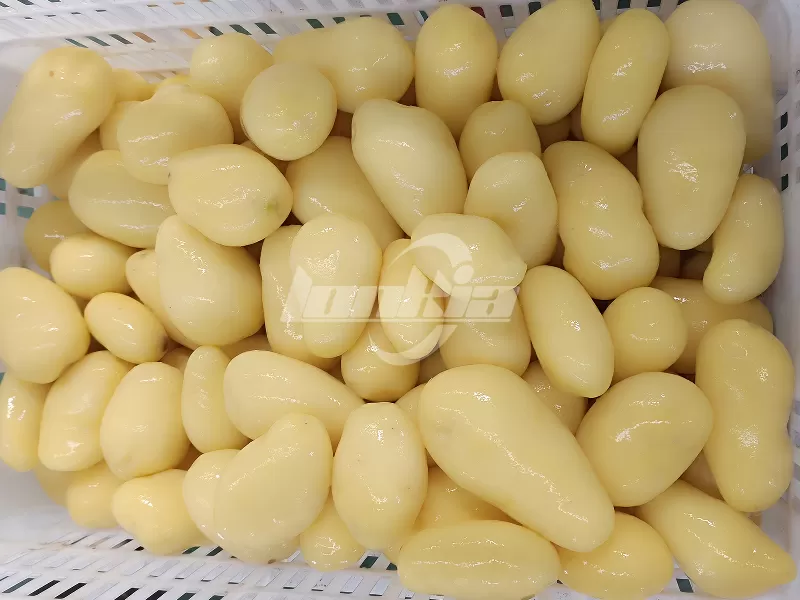
How to Achieve More Than 98% Peeling Efficiency
Manufacturers aiming for maximum peeling performance can improve results by optimizing the following aspects of the production process.
Use a High-Performance Flash Exhaust System
A rapid pressure release (Flash-Off) immediately after the steam cycle is essential. Instant depressurization causes the loosened skin to crack and separate from the potato surface, greatly improving peeling efficiency.
Grade Potatoes Before Peeling
Sorting potatoes by size before entering the steam peeler allows different batches to receive optimized steam exposure times, resulting in more uniform peeling.
Install an Intelligent Control System
Advanced control systems can automatically adjust steam pressure (bar) and holding time (seconds) based on raw material conditions, ensuring consistent peeling quality throughout production.
Conclusion
For modern industrial potato processing, a potato steam peeler typically achieves 95%–98% peeling efficiency, which is considered the industry standard.
Choosing a steam peeling machine with high-pressure steam capability, precise process control, and an efficient flash exhaust system not only delivers superior peeling performance but also minimizes flesh loss, reduces raw material waste, and increases overall production profitability.
If you are looking for a high-efficiency, low-loss potato processing solution, contact our technical team today for a customized processing proposal and a competitive quotation tailored to your production requirements.